

Description
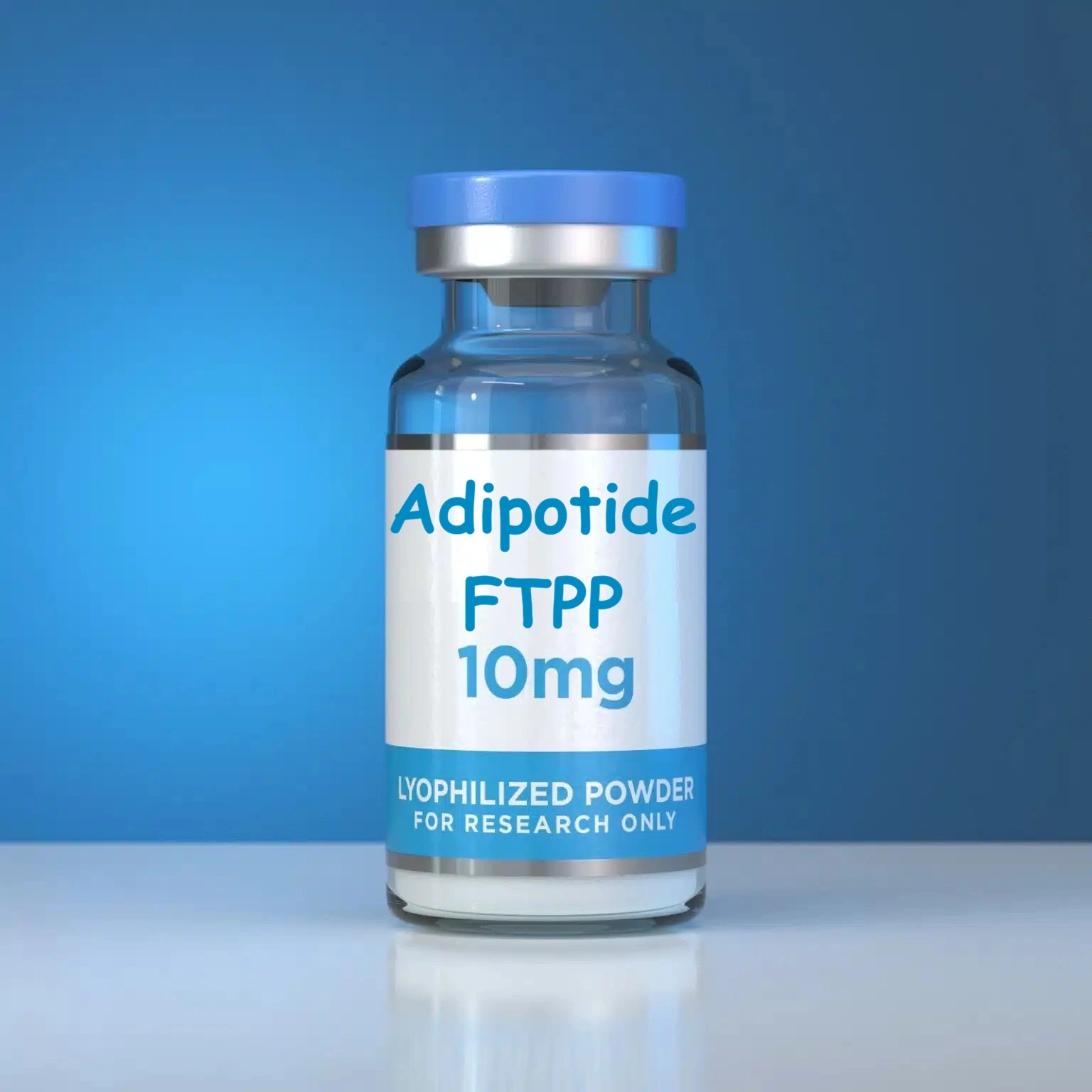
Adipotide FTPP (10mg)
Adipotide FTPP (10mg) for sale online at peptideslink.com.
Buy Adipotide, also known as FTPP, a synthetic research peptide designed to target specific biochemical pathways in scientific studies. This innovative peptide represents a significant tool in exploring the interaction between synthetic compounds and cellular structures, making it an asset in experimental research.
What is Adipotide?
Adipotide is a peptidomimetic compound that combines elements of small-molecule drug design with peptide functionality. It consists of a homing sequence designed to bind selectively to certain cell types. Researchers utilize Adipotide to examine cellular targeting mechanisms and the potential implications of receptor-ligand interactions in complex biological systems.
Potential Different Names of Adipotide :
- Adipotide
- FTPP (Fat-Targeting Pro-apoptotic Peptide)
- Prohibitin-Targeting Peptide
Adipotide, popularly known as FTPP, is an experimental weight loss treatment that causes programmed cell death of cells by eliminating their blood supply. This innovative compound has been studied in many animal research studies; therefore, it could be a game-changing approach to managing obesity and metabolic disorders.
How Adipotide FTPP Works
The mechanism of action of Adipotide involves targeting the blood vessels that supply white adipose tissue. It binds receptors on the vascular structure of WAT, disrupting the vascular supply, leading to the starvation and eventual death of fat cells. This reduces fat mass and may improve metabolic health by decreasing insulin resistance and inflammation.
Research on Adipotide FTPP (10mg)
Adipotide and Fat Loss
Adipotide was developed and entered phase one clinical trials in 2011, investigating its ability to induce fat cell apoptosis. Preclinical studies in rhesus monkeys have demonstrated that Adipotide specifically acts on the blood vessels feeding the white adipose tissue, causing death to fat cells. This leads to rapid weight loss, reduced body mass index, and increased sensitivity to insulin. The treated monkeys also showed decreased food intake, suggesting that it may affect appetite.
Adipotide and Cancer
Although highly speculative, preliminary studies conducted on animals indicated that the mechanism through which Adipotide destroys blood vessels may help with cancer therapy. Prohibitin is the molecule this peptide largely targets in fat cells. It has also been linked with certain types of cancer.
Cancer cells need a large amount of blood to grow and metastasize. Focusing on prohibiting cancer cells could provide a way to treat cancer without damaging the surrounding healthy tissue.
Adipotide and Glucose tolerance
Glucose tolerance means having higher-than-normal levels of blood sugar. Patients generally diagnose this condition with blood tests or by administering a glucose tolerance test, in which a patient consumes a certain amount of sugar, and then blood sugar levels are measured.
You can treat high glucose levels with diet and exercise, but these methods demand motivation and dedication. They also need a considerable amount of time to show the first results. Research involving Adipotide has revealed that this peptide produces weight-independent and rapid improvement in glucose tolerance. This means that Adipotide is able to reduce glucose tolerance regardless of the impact of weight.
In other words, losing fat content is important, not weight. These findings not only help us understand how this peptide works but also open new opportunities for developing innovative treatments for pre-diabetes and diabetes conditions and mechanisms that lead to the development of this illness. There are some doubts about whether this peptide directly causes fat loss or only minimizes food intake, which directly affects fat loss.
According to research done on animals, scientists concluded that Adipotide potentially causes fat loss. This hypothesis is supported by the fact that Adipotide can change cell density without affecting glucose tolerance and causing weight loss.
Conclusion of our Adipotide FTPP (10mg)
The main field of research involving this peptide relates to diabetes and weight loss. As mentioned earlier, it targets specific cells and blood vessels and shows minimal side effects. However, more research is required before this peptide could be used on humans.






Reviews
There are no reviews yet.