


Description
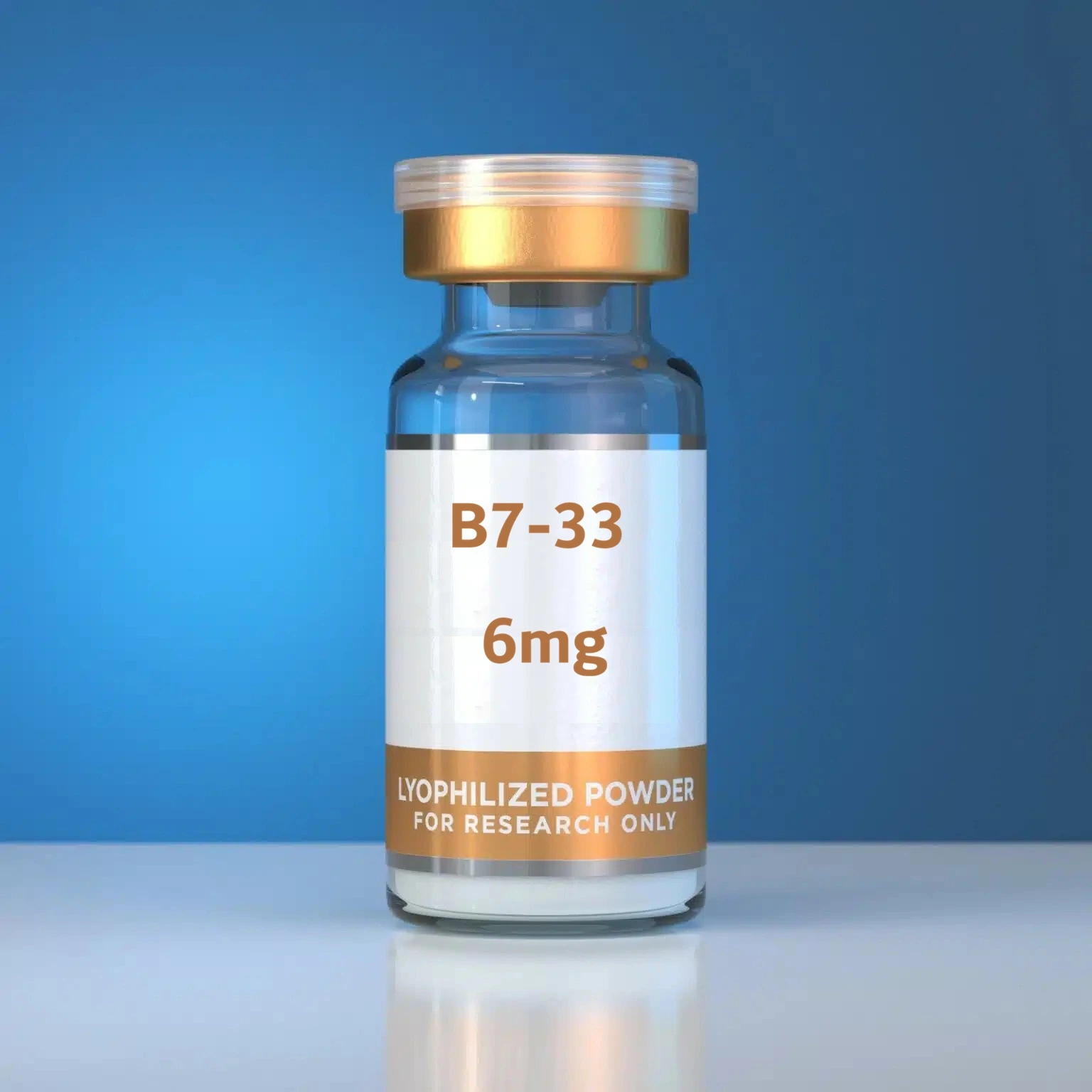
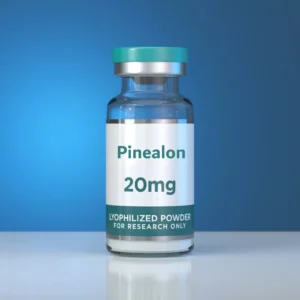
Pinealon 20mg Peptide
Pinealon 20mg Peptide for sale online at Peptides Link Laboratory.
Buy Pinealon, a synthetic short-chain peptide composed of three amino acids: Glutamic acid, Aspartic acid, and Arginine. Also, It is classified as a neuroprotective bioregulator peptide, originally developed in Russia for use in gerontology, neurology, and cognitive health.
In addition, Pinealon is designed to protect and restore brain function, particularly under conditions of stress, aging, hypoxia, or neurodegeneration. It mimics and supports natural peptide signals involved in DNA repair, neuronal regeneration, and mitochondrial function.
Pinealon Chemical Properties
| CAS No. | 114841-67-5 |
|---|---|
| Molecular Formula | C15H26N8O8 |
| Molecular Weight | 446.42 g/mol |
| Purity | ≥99% |
| Sequence | Glu-Asp-Arg |
| Applications | Neurological research, anti-aging studies, cognitive enhancement research |
| Synthesis Method | Solid-phase synthesis |
| Format | Lyophilized powder |
| Solubility | Water/Sterile Diluent |
| Stability & Storage | Up to 24 months at -20°C. Avoid repeated freeze-thaw cycles. |
| Appearance | White to off-white powder |
| Regulatory/Compliance | Not for human consumption. For research use only. |
| COA | available upon request |
How Does Pinealon 20mg Peptide Works (Mechanism of Action)
Pinealon exerts its effects at the cellular and genetic level, primarily targeting neurons and brain tissue. Also, It acts as an epigenetic regulator, influencing gene expression related to cognitive performance, cell survival, and oxidative protection.
Pinealon Regulates Gene Expression
Influences genes related to brain development, neurogenesis, and cell longevity.
Enhances protein synthesis in brain tissue, supporting neuronal repair and function.
Neuroprotection Under Stress
Protects neurons from damage during oxidative stress, ischemia, or hypoxia (oxygen deprivation).
In addition, it stabilizes mitochondrial activity and helps prevent apoptosis (programmed cell death).
Cognitive Enhancement & Memory Support
Shown to improve learning, short-term memory, and cognitive flexibility in both animal models and limited human research.
More so, May be beneficial for age-related cognitive decline, mild cognitive impairment (MCI), or neurodegenerative disorders.
Supports Melatonin & Circadian Rhythm
Lastly, its Linked to regulation of the pineal gland and melatonin synthesis, which may influence sleep-wake cycles, hormonal rhythms, and neuroendocrine function.
Potential Benefits of Pinealon 20mg Peptide & Use Cases
Firstly, Cognitive Function & Memory.: Enhances short-term memory, information retention, and mental clarity.
Anti-Aging Neuroprotection: May delay or reduce the impact of age-related cognitive decline.
Stress Resilience & Brain Recovery: Protects against brain damage caused by ischemia, hypoxia, or trauma.
Sleep Regulation: Supports pineal gland function and melatonin synthesis for better sleep and circadian balance.
Adjunct in Neurodegenerative Conditions: Being researched for use in Alzheimer’s, Parkinson’s, and vascular dementia.
Finally, Mental Focus & Alertness.: Useful for individuals under high cognitive demand or experiencing “brain fog.”
Typical Dosage & Administration of Pinealon 20mg Peptide
Administration: Subcutaneous injection.
Dosage:
100–300 mcg per day, typically administered once daily for 10–20 days.
Common protocol: short cycles (e.g., 10–20 days) repeated every 3–6 months depending on goals.
Possible Side Effects of Pinealon
Pinealon is well-tolerated and has a strong safety record based on research from Russian peptide studies:
No known significant adverse effects when used appropriately.
Mild injection site redness or irritation is possible.
No hormonal disruption or systemic side effects have been reported in clinical trials.
Other Relevant Details of Pinealon
Firstly, Often combined with other nootropic peptides like Semax, Selank, or Cortexin for enhanced cognitive support.
Equally important, Classified as a peptide bioregulator, developed as part of a family of organ-targeted peptides used in anti-aging medicine.
In conclusion, Research primarily originates from Russian clinical studies, and while human data is promising, further Western validation is limited.



Reviews
There are no reviews yet.